


A Second Layer For Windows Worth Keeping
A storm window is a second pane of glass mounted inside or outside your main window. It blocks drafts, adds a pocket of still air, and takes the weather off an old sash. For the older houses of Superior and the Duluth hillside, storms are often the difference between original windows that work and original windows that don’t.
Superior Glass sells and installs new interior and exterior storm windows, and we repair and reglaze the ones you already have. We measure each opening, because in an old house no two are quite the same.
Storm windows pair naturally with window repair. Fix the main sash, add a good storm, and many old windows keep going.
- Broken storm glass replaced
- Old storm sashes reglazed
- Interior storms for a tight air seal
- Exterior storms for weather protection
- Guidance for historic properties
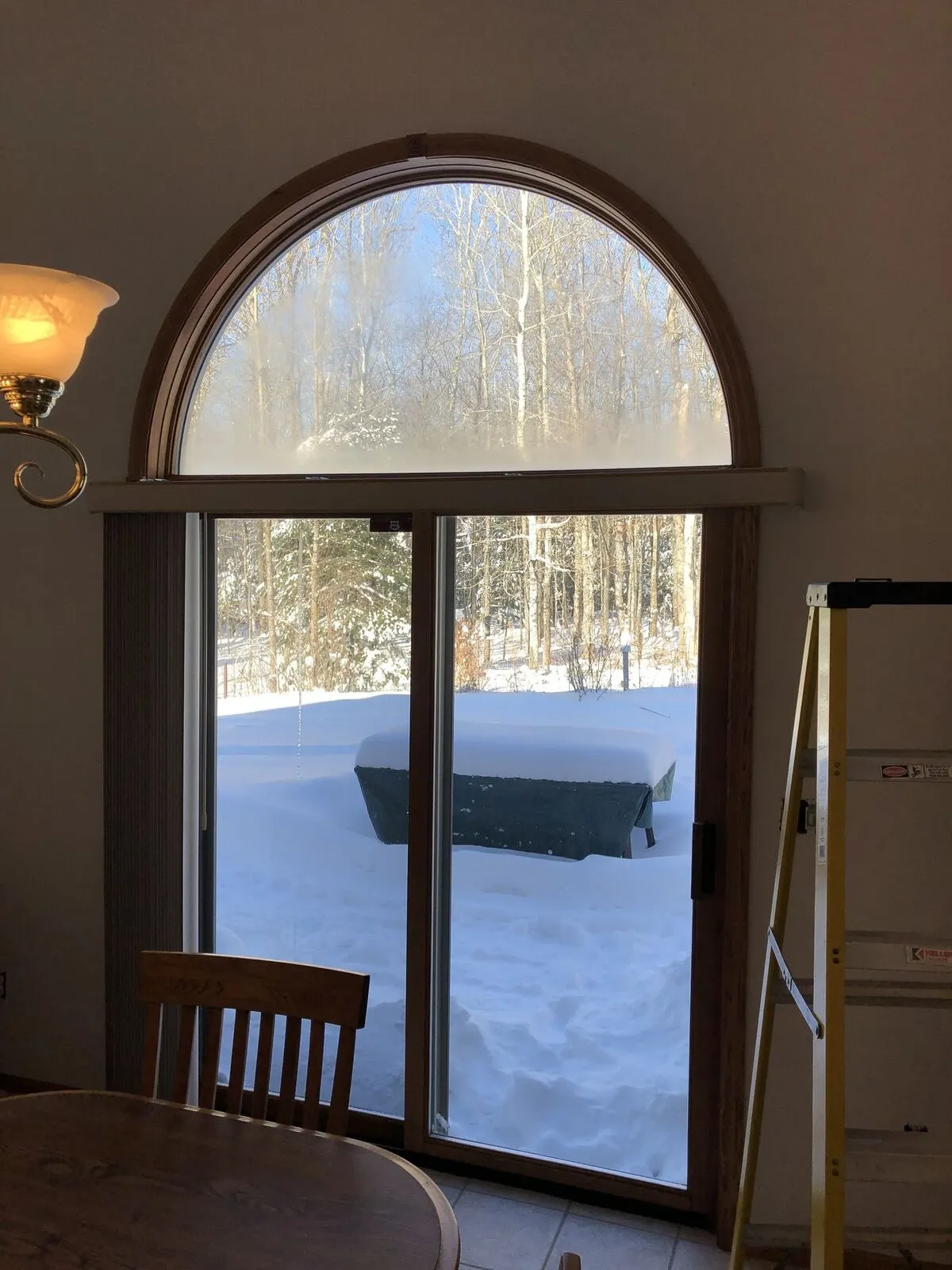
Storm Window Options At A Glance
The questions we walk through for each opening before recommending a storm.
Get A Free Estimate| Exterior storms | Mounted outside the main window, often with a built-in screen |
|---|---|
| Interior storms | Mounted inside the room, easy to remove and invisible from the street |
| Glazing | Clear glass, or Low-E glass for more insulating value |
| Drainage | Exterior storms need weep openings at the sill to let moisture out |
| Ratings | Window attachments, including storms, are rated by the Attachments Energy Rating Council |
| Measuring | Each opening measured on site; old openings are rarely square |
Choosing And Caring For Storm Windows
Exterior Storms
Exterior storms take the rain, snow, and lake wind so your wood sash doesn’t have to. Combination units with a sliding glass panel and a screen are the familiar kind on many Northland homes.
They need to breathe. The bottom rail should have small weep openings so moisture that gets between the storm and the main window can drain and dry instead of rotting the sill. Caulking those openings shut is one of the most common mistakes we see.
Pick a frame color that matches the trim and a profile that lines up with the sash behind it, and exterior storms nearly disappear from the street.

Interior Storms
Interior storms mount inside the window opening. Because they sit on the warm side, a tight interior storm keeps humid room air away from the cold outer glass, which helps with frost and condensation. They’re also easy to take down in spring and don’t change how the house looks from the street.
If you fight ice on the inside of your windows, a well-sealed interior storm is worth a look.
Historic Homes
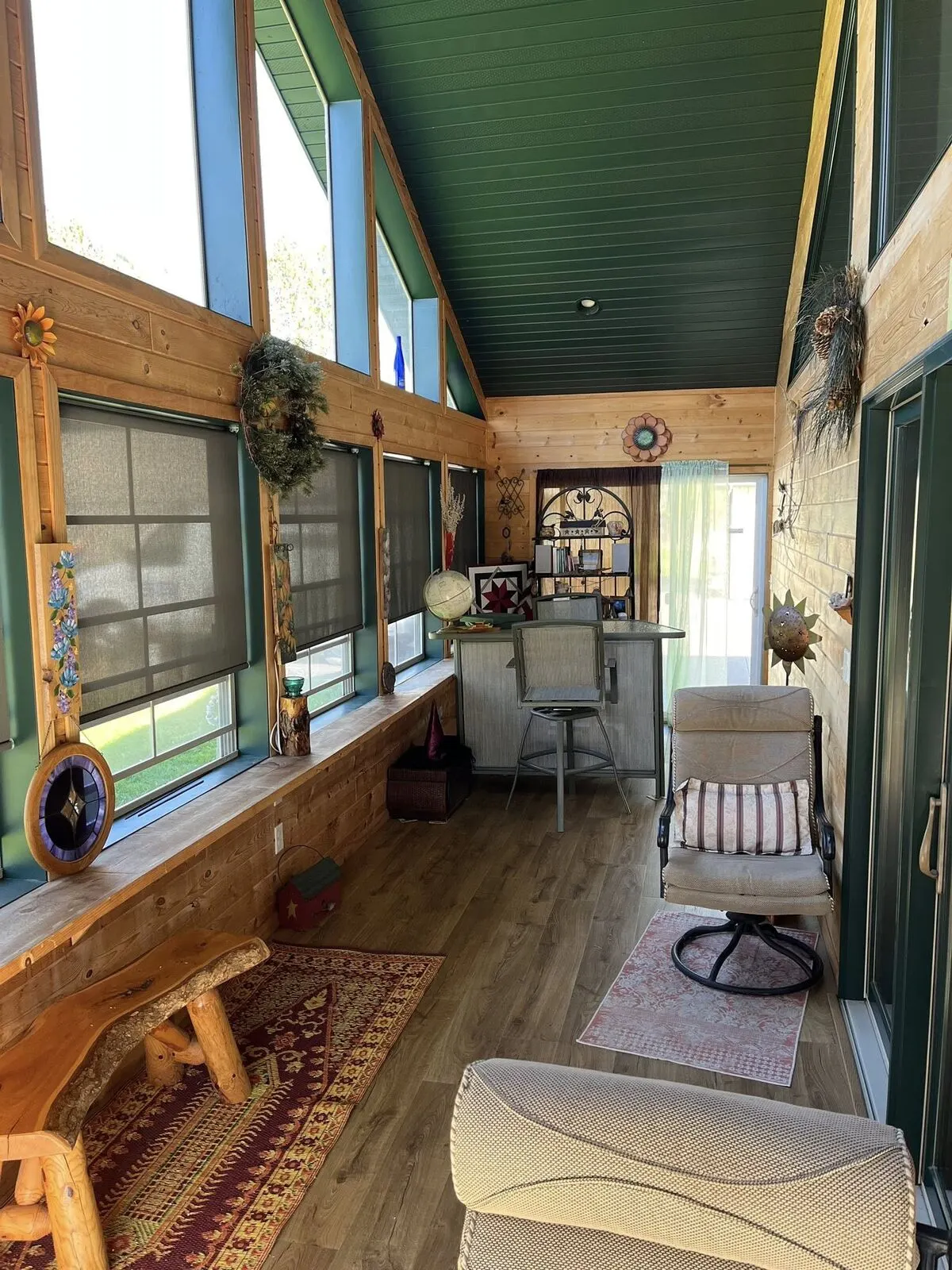
Storms let you keep original windows, which preservation guidance generally favors. In Superior, city staff can approve storm window work on a registered historic property without sending it to the full committee. In Duluth, ordinary repair is exempt from historic review, while changes to the exterior appearance of a locally designated property need a permit. Details are in the questions below.
Repairing The Storms You Have
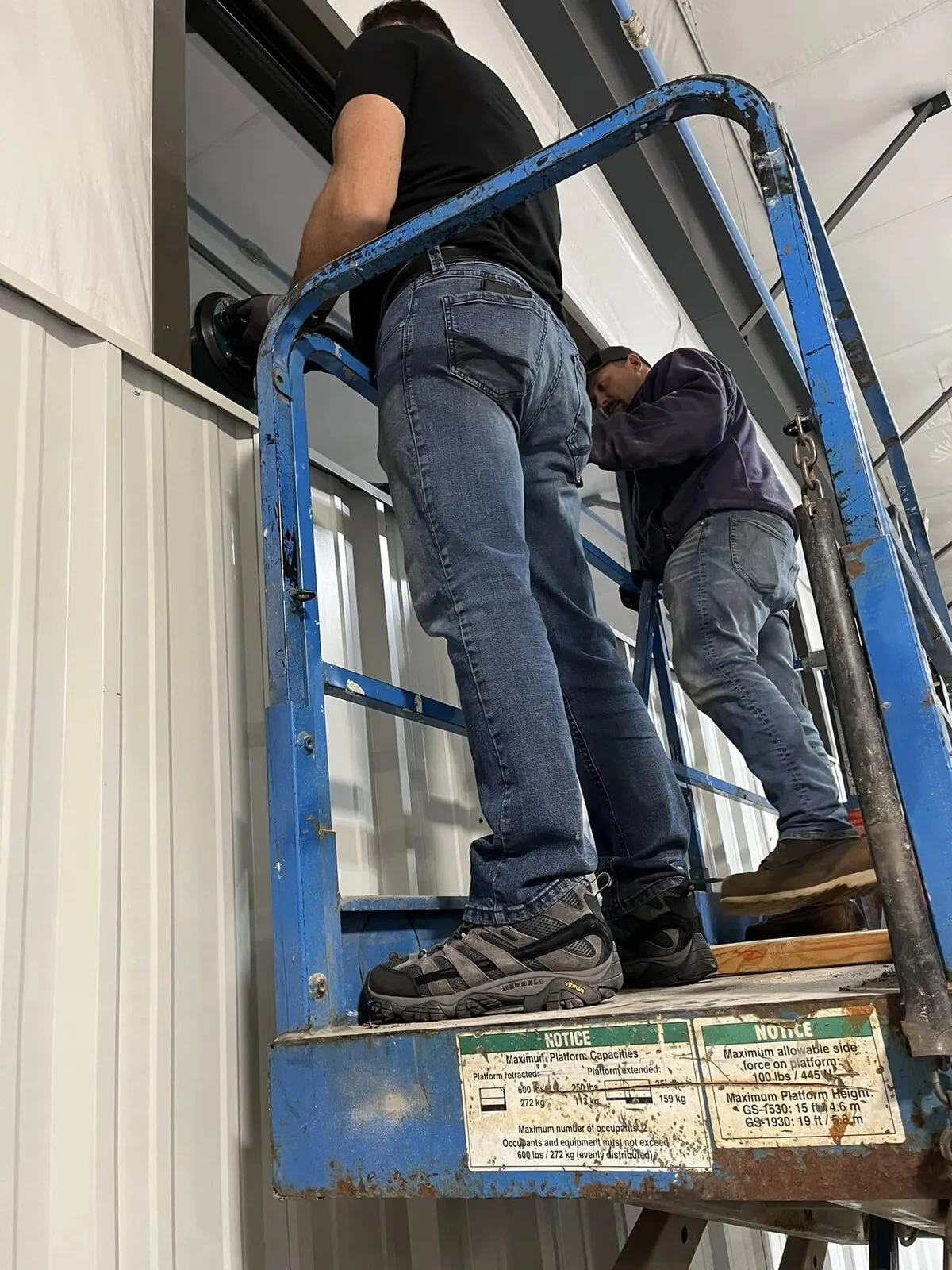
Old wood and aluminum storms usually fail in small ways: a cracked pane, loose glazing, a bent track, a missing latch. Replacing the glass and resealing the panel costs far less than new storms. Small panels can often come into the shop instead of us coming to you.
While the storm is off, look at the main sash behind it. Peeling paint, loose putty, or a soft sill is easier to deal with now than after another winter.

Interior Vs. Exterior Storm Windows
Neither is always better. The right one depends on the window, the house, and what problem you’re solving.
| Interior storm | Exterior storm | |
|---|---|---|
| Air sealing | Usually tighter | Should be vented, not sealed tight |
| Condensation control | Good, it sits on the warm side | Depends on a tight main sash and weep openings |
| Weather protection for the sash | None | Shields the sash from rain and snow |
| Look from the street | Unchanged | Visible, choose a slim profile and matching color |
| Seasonal use | Easy to remove and store | Stays up, often with a built-in screen |
What A Good Storm Window Does
Fewer Drafts
A second layer blocks the air that slips past old sashes and loose glazing.
Less Heat Loss
The U.S. Department of Energy lists storm windows, especially low-e storms, as a way to cut heat loss through existing windows.
Protects Old Wood
Exterior storms keep weather off original sashes and sills.
Quieter Rooms
An extra pane and air gap soften traffic and wind noise.
Keeps The Character
You keep original glass and trim instead of replacing them.
What Affects The Price
Every storm window job is priced after we measure. These are the choices that move it.
Interior Or Exterior
The mounting side changes the frame style and the install.
Glass Choice
Clear or Low-E glass, and tempered where code calls for safety glazing.
Size And Count
How many openings, and how big each one is.
Opening Condition
Out-of-square openings and worn sills take more fitting.
Repair Or New
Reglazing an existing storm is a different job from a new unit.
Access
Upper-story exterior storms need ladders or lifts.
How A Superior Glass Job Runs
Measure On Site
Free consultation at your home or business. We measure every opening ourselves.
Template The Opening
Walls are rarely square. We template so the glass fits the room you actually have.
Cut And Fabricate
Glass is cut, edged, and prepared to your template before install day.
Install
Floors protected, glass set, hardware tuned, and the site cleaned up.
Walkthrough
We check every door, seal, and edge with you, then show you how to care for it.
Recent Window Work

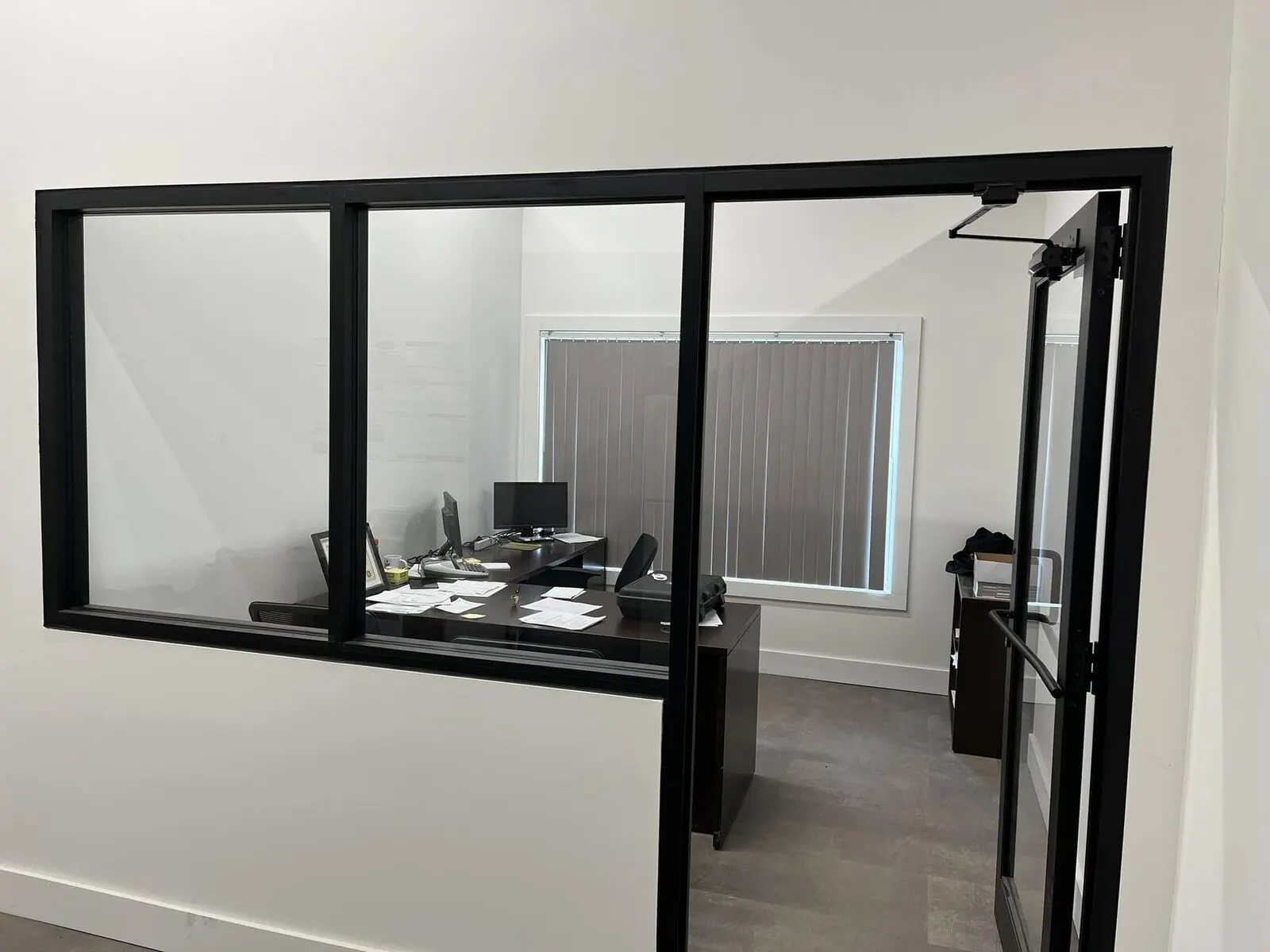

Every photo here is a real Superior Glass job, from the company’s own project posts.
Frequently Asked Questions
Only if the property is on the City of Superior’s municipal register, which lists six properties. For those, any exterior alteration needs a certificate of appropriateness (Superior Code Sec. 98-90(a)), but city staff can issue it for storm window and storm door repair or replacement without sending it to the Historic Preservation Committee (Sec. 98-90(b)(7)). Other window and door changes go to the committee.
Duluth requires a historic construction permit for work that changes the exterior appearance of a locally designated property, and it exempts ordinary maintenance and repair. National Register listing alone does not trigger local review. Check with Duluth Planning before adding exterior storms to a designated house.
The layer on the warm side should be the tighter one. With interior storms, the storm seals and the outer window vents. With exterior storms, the main sash should be the tighter layer and the storm needs weep openings at the bottom. National Park Service guidance for historic wood windows makes the same point about interior storms: seal the storm and let the original window breathe.
The U.S. Department of Energy’s Energy Saver guide says low-e storm windows, interior or exterior, can save 10 to 30% on heating and cooling costs, depending on the window already in place. The Attachments Energy Rating Council publishes ratings for storm windows, so you can compare products on the same scale.
Yes. Cracked or broken storm glass can be replaced and the panel resealed. Bring small panels to our shop at 7500 Tower Ave in Superior, or we’ll measure in place. Call (715) 685-0500 first.
Usually, yes. A second pane with an air gap between it and the main window softens traffic, wind, and neighborhood noise, especially compared with an old single-pane sash on its own.
If the main windows are sound or historic, storms are often the better value. If the frames are rotted or the sashes don’t work, look at window replacement. Our drafty windows guide helps sort it out.
Ready For A Warmer Winter?
Call (715) 685-0500 or send the form. We’ll measure your openings, explain interior and exterior options, and put the price in writing.