

Your Display Window Is Your Hardest-Working Employee
In a retail store, the glass is not just a wall. It is the display case facing the street, the first thing a customer touches when they grab the door, and the one part of the building a thief looks at first. Each of those jobs asks for something different from the glass and the hardware.
We look at your storefront the way you use it: what you put in the windows, which way they face, how many people come through the door on a Saturday in December, and what happens after close. Then we plan the glass, the framing, and the entrance around that, and fabricate and install it with our own crew.
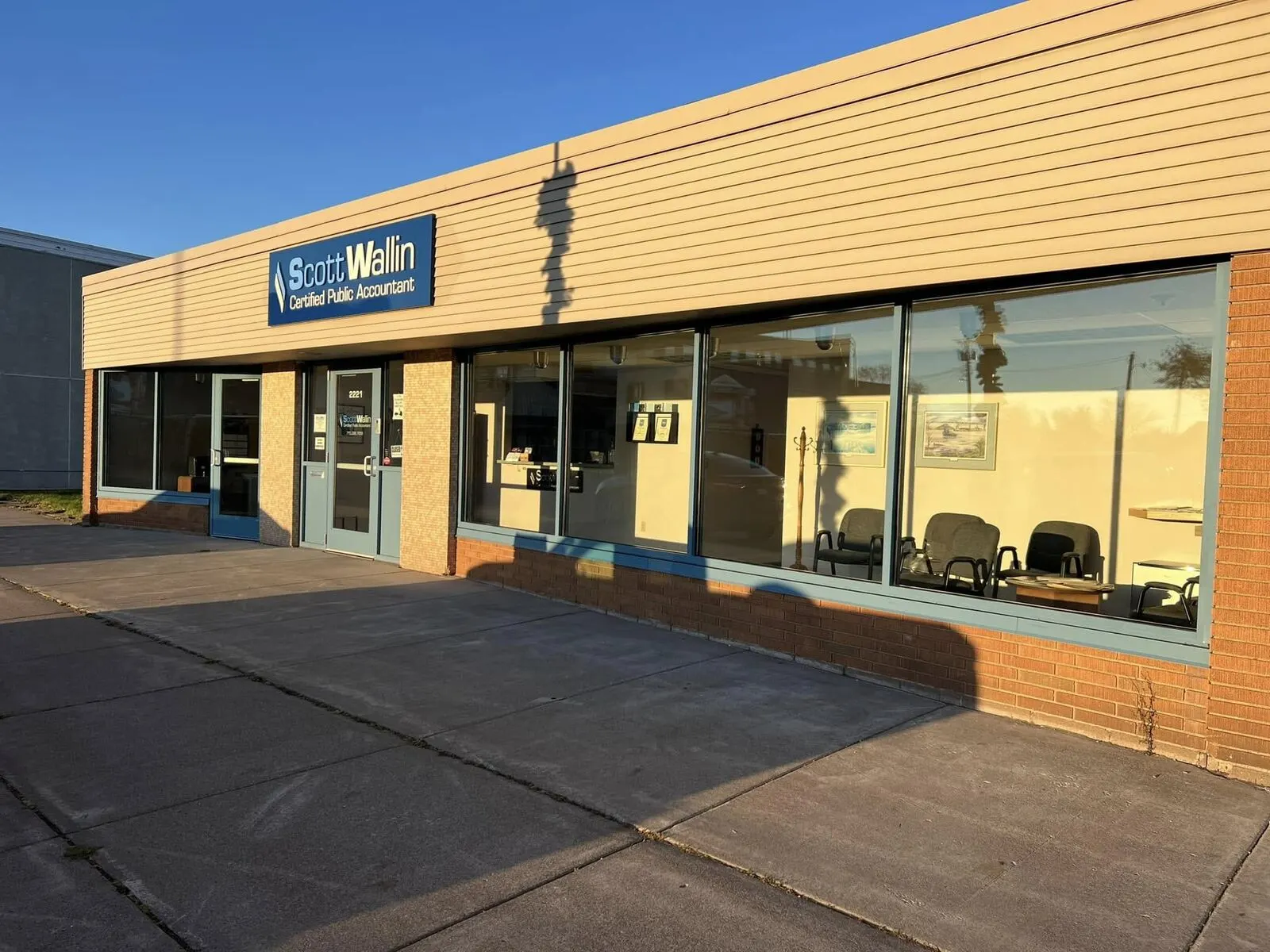
Downtown Superior and Duluth are full of older commercial blocks with original openings, out-of-square framing, and a century of settling. We field-measure every opening instead of trusting old drawings.
- Display glazing, including low-iron glass
- Aluminum entrance doors, closers, and pulls
- Laminated glass for display lites and doors
- Accessible entrances and automatic doors
- Phased work so the store stays open
Built For Selling, Traffic, And After Hours
Truer Color In The Window
Standard clear glass has a slight green cast you can see at the edges and through thick lites. Low-iron glass cuts most of that, so apparel, art, and product colors look the same in the window as on the rack. Our low-iron vs clear glass post covers the tradeoffs.
Less Fading On Display Goods
Laminated glass blocks nearly all ultraviolet light, and Low-E coatings cut solar heat. That slows fading on sun-facing displays. It does not stop it, since visible light fades goods too, so rotating stock still matters.
Laminated Glass For After Hours
When laminated glass breaks, the plastic interlayer holds the pieces in the frame instead of leaving an open hole. That makes a quick smash-and-grab slower and noisier. It is not burglar-proof, and we will not sell it to you as if it were.
Doors And Hardware For Real Traffic
Wide-stile aluminum doors, continuous hinges, and properly sized closers hold up to constant use far better than light-duty hardware. When a door starts to drag or a closer leaks, commercial glass repair covers hardware as well as glass.
Entrances Everyone Can Use
Accessible doors need enough clear width, hardware you can work with one hand, and a closer that is not too fast or too heavy. For busy stores or customers with carts, an automatic door is worth a look, and our crew holds AAADM certification.
Open For Business During The Work
Storefront work can often be phased one bay at a time, with the loudest steps before opening. We tell you up front what will be disrupted and plan the sequence so the store can be secured at the end of each workday.
Services Retailers Use Most
Storefronts & Entrances
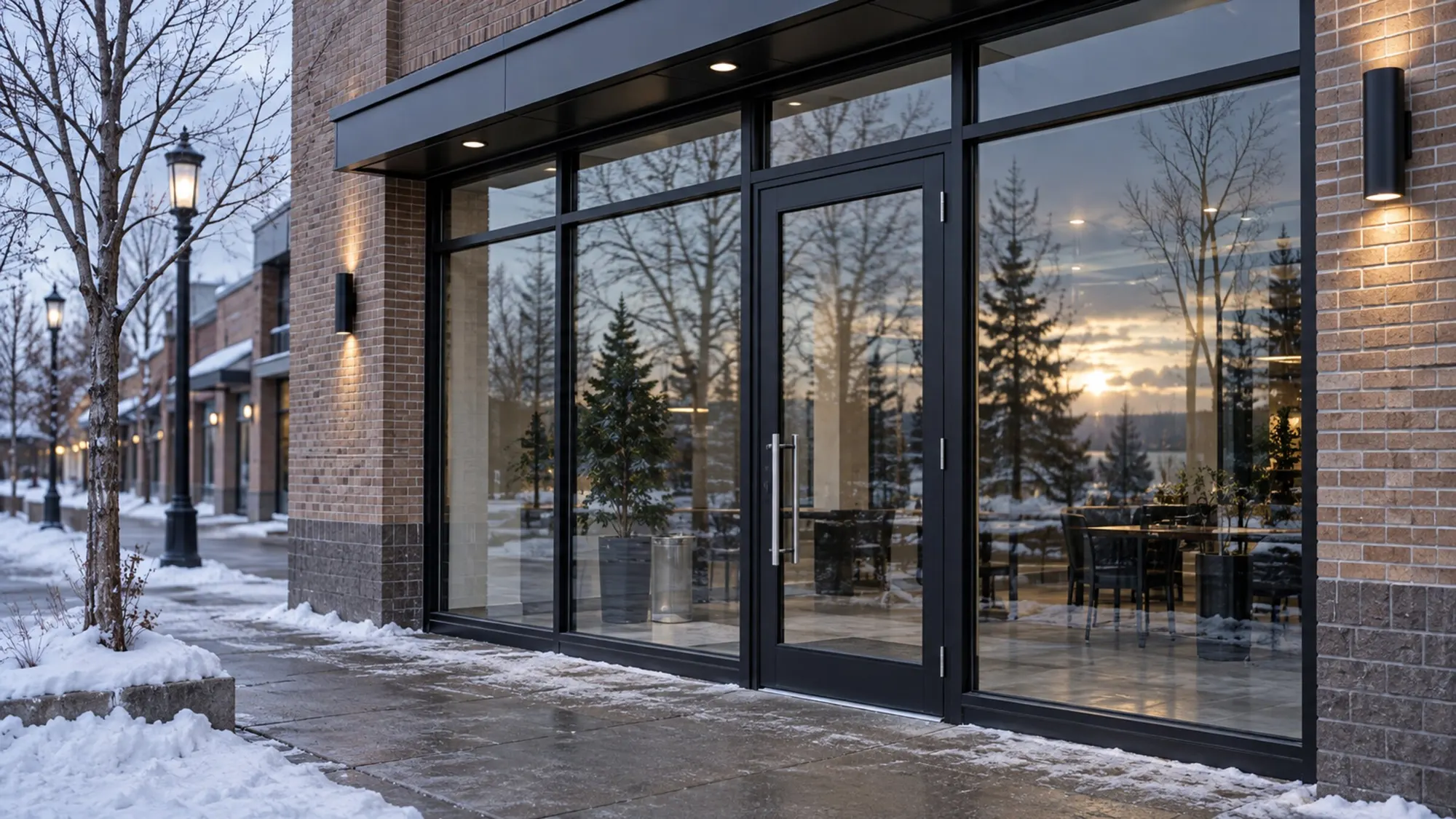
Aluminum storefront framing, entrance doors, and safety glass built for Northland winters.
Learn More →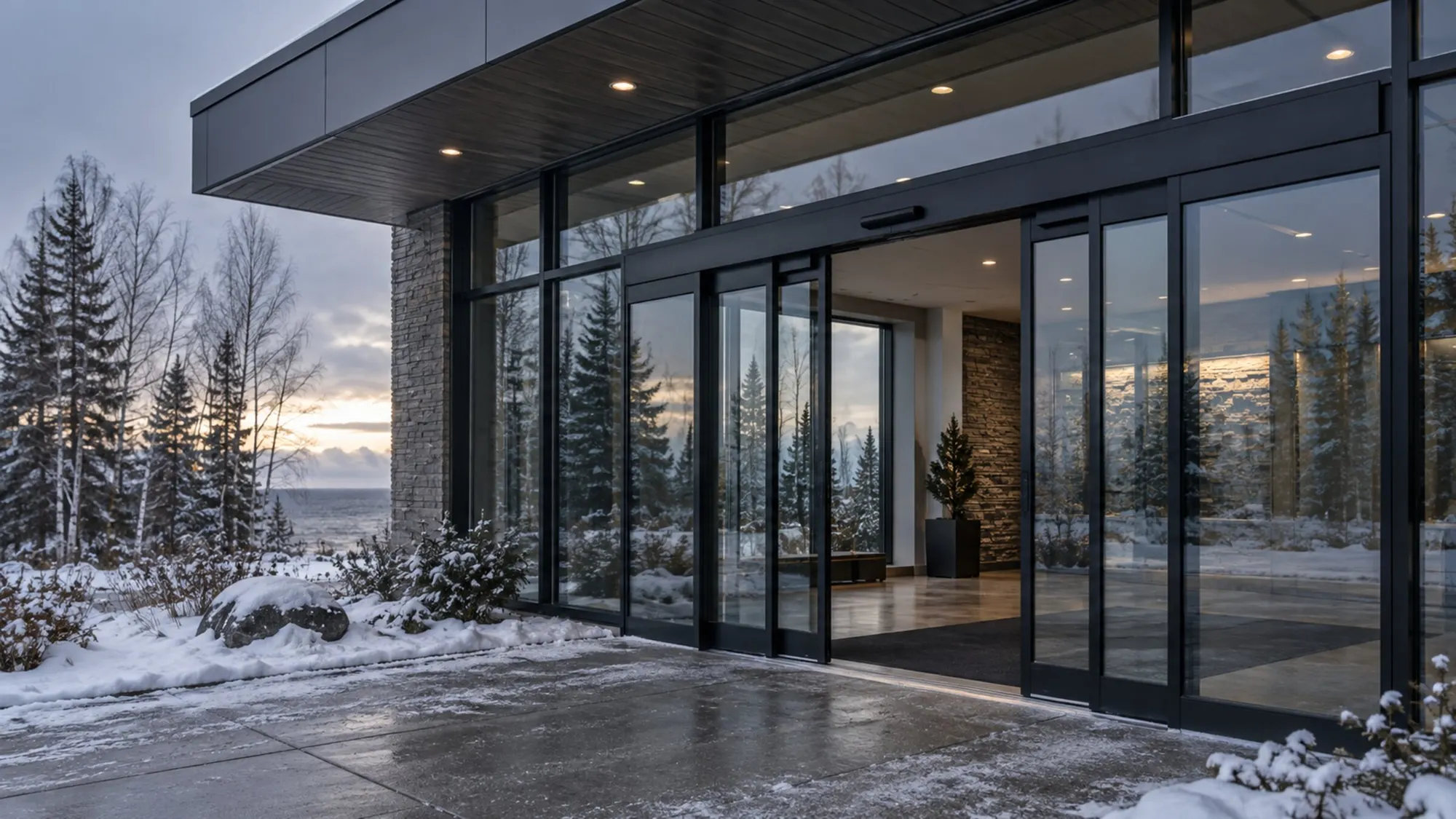
Automatic Doors
Automatic sliding and swinging doors and power-assist operators, AAADM certified crew.
Learn More →Commercial Glass Repair
Broken storefront lites, failed insulated units, door glass, and door hardware.
Learn More →
Storefront Glass Checklist
A twice-a-year walk for glass, sealant, closers, ADA basics, automatic doors, and winter wear.
Learn More →Recent Storefront Work

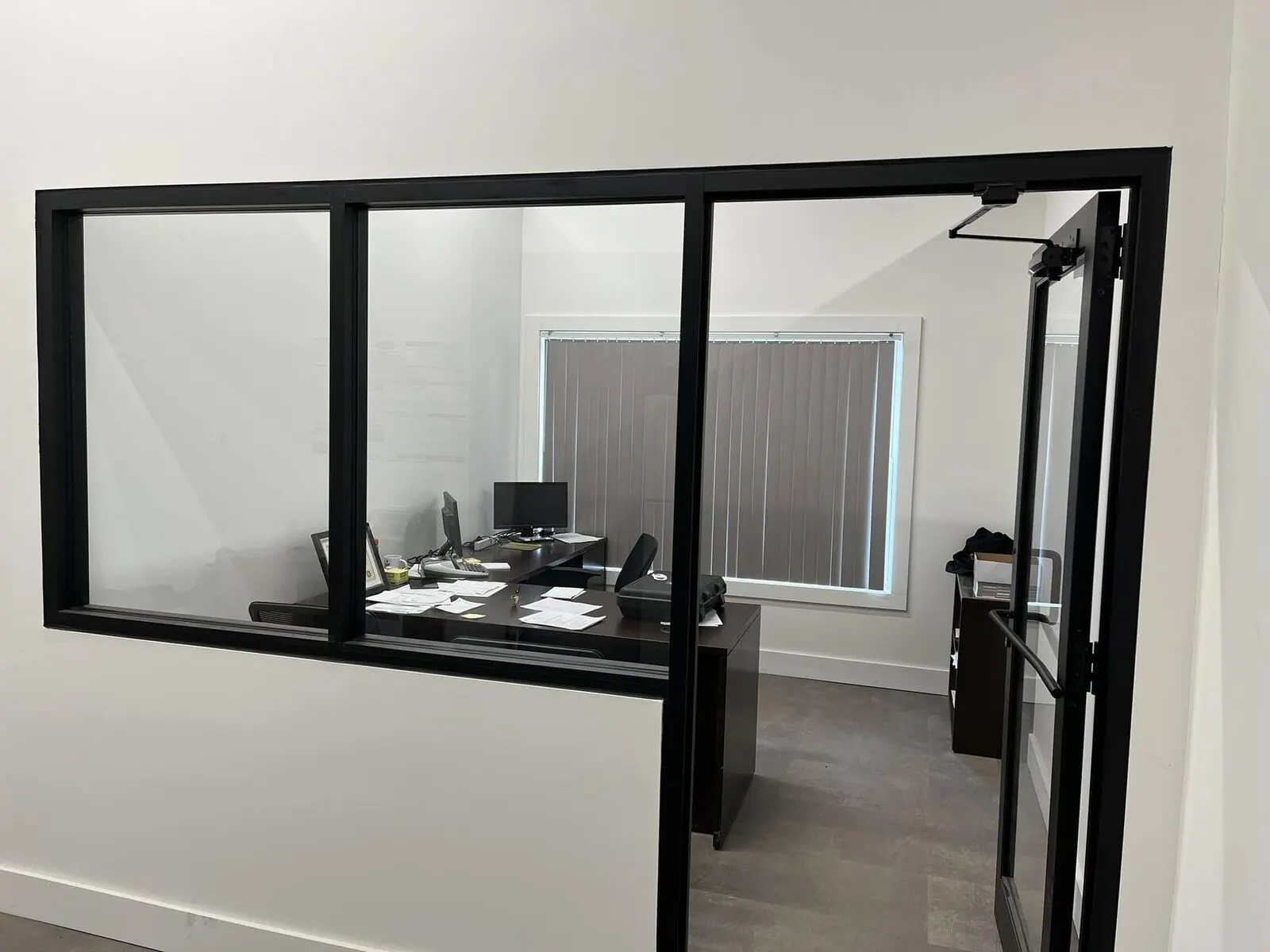

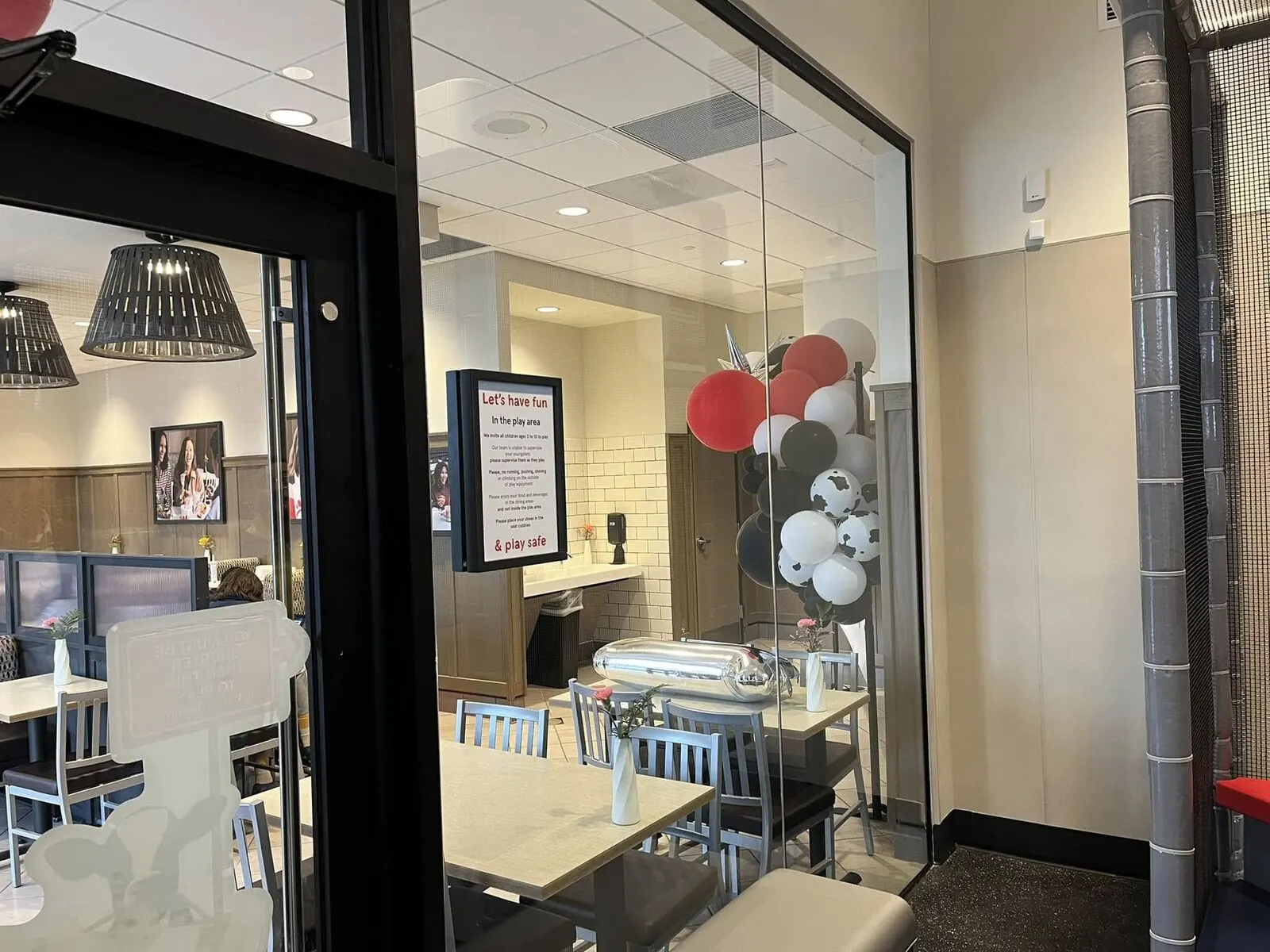
Every photo here is a real Superior Glass job, from the company’s own project posts.
Frequently Asked Questions
For display lites and doors in stores that carry anything worth grabbing, it often is. Laminated glass costs more than tempered and weighs more, and it still cracks when hit hard, but it tends to stay in the opening. We talk through which lites matter most so you are not paying for laminated glass where it does little.
Under the 2010 ADA Standards, a door needs at least 32 inches of clear width, hardware usable with one hand without tight grasping or twisting, and a threshold no taller than 1/2 inch. A closer must take at least 5 seconds to move the door from 90 degrees open to 12 degrees from latched. Interior hinged doors are capped at 5 pounds of opening force; the federal standard sets no number for exterior hinged doors, though local codes may.
Usually. Storefront systems are glazed lite by lite, so one broken piece can be replaced on its own. We check the stops, gaskets, and setting blocks while we are there, since a lite that broke from frame stress will break again if the cause stays.
Replacing single-pane glass or old non-thermal framing with insulating glass in thermally broken framing makes a noticeable difference near the windows in a Northland winter. Weatherstripping on the entrance door matters just as much as the glass.
Yes. We can work from a lease exhibit or an architect’s drawings when there is one, or plan the glass with you directly when there is not.
Planning A Storefront Refresh?
Send photos of your front or tell us what is bothering you about it. We will measure, walk through your options, and put the price in writing.