


Protect The Table, Or Make The Glass The Table
Some glass table tops protect a piece of furniture you care about: a dining table, a desk, a dresser that came down through the family. Others are the whole table, set on a base or pedestal. Both start the same way, with an exact size and the right glass for the job.
Superior Glass cuts glass table tops for homes and businesses across the Twin Ports. We measure or template the piece, cut and edge the glass, temper it when that’s the right call, and deliver it ready to set.
Bring measurements, a template, or the piece itself when that’s practical. We’ll help you choose thickness and edge style. If you’re not sure what you want, tell us how the table gets used: a formal dining table, a kitchen table with three kids around it, a cabin table on a screened porch. That usually decides it.
- Rounds, ovals, rectangles, and custom shapes
- Tempered or annealed glass
- Flat polish, pencil, and beveled edges
- Clear or low-iron glass
- Holes and notches cut before tempering
Glass Table Tops, By The Details
The choices we walk through for every top, so you know exactly what you’re getting.
Get A Free Estimate| Protective covers | Commonly 1/4 inch glass laid over a solid table |
|---|---|
| Freestanding tops | Commonly 3/8 or 1/2 inch, depending on size and base |
| Glass | Tempered or annealed; clear or low-iron |
| Edges | Flat polish, pencil polish, or bevel |
| Shapes | Rectangle, round, oval, racetrack, or traced from a template |
| Tempering rule | All cutting, holes, and edgework done before tempering |
Tempered Or Annealed Table Top?
General properties, not a quote. For most tops that see daily use, we recommend tempered.
| Tempered | Annealed | |
|---|---|---|
| How it breaks | Crumbles into small, blunt pieces | Breaks into large, sharp shards |
| Strength | Several times stronger | Standard |
| Can be recut later | No | Yes |
| Best for | Freestanding tops, kids and pets, outdoor tables | Covers fully supported by a solid table |
| Look | Very slight distortion possible from tempering | Flattest possible surface |
Getting A Table Top Right
Edge Styles
The edge is what you touch and what you see, so it matters. Tell us who uses the table: a pencil edge is the most forgiving around small kids, and a wide bevel reads more formal.
- Flat polish: a square, polished edge with softened corners, clean and modern
- Pencil polish: a rounded edge, soft to the hand, good for families
- Bevel: an angled border cut into the top face that catches light, more traditional
- Seamed: sanded smooth for safety, meant for glass that sits inside a frame
Shapes And Templates
Rectangles and circles only need measurements. Anything else, an oval, a racetrack, a table with carved corners or a notch around a post, should be traced. Lay paper or cardboard on the table, trace the edge, mark the top side, and bring it in. The template is what we cut to, so an accurate trace is an accurate top.

Covers For Wood Furniture
A glass cover guards against water rings, heat marks, and scratches. Small clear bumpers under the glass keep it from sliding and let air move so moisture doesn’t get trapped against the wood finish. Covers are usually cut slightly smaller than the table so the edge doesn’t overhang where it could be knocked.
A freestanding top is a different job. The glass carries its own weight and everything set on it, so the base has to support it evenly and the overhang past the base has to stay reasonable for the thickness. Tell us the base’s size and shape when you ask for a quote, and we’ll size the glass to match.
Clear Or Low-Iron Glass
Standard clear glass has a slight green tint, most visible on a thick polished edge. Low-iron glass is much clearer, so the wood grain or base shows its true color. On a thin cover over dark wood the difference is small; on a thick top over a light base, most people can see it. Our low-iron vs. clear glass guide shows the difference.

Made In Our Shop, Done Carefully
Measured Or Templated
Your top is cut to your table’s real size and shape, not a close guess.
Edges Finished Right
Every exposed edge is polished or beveled; no raw, sharp glass.
Tempered When It Matters
We recommend tempered for freestanding and outdoor tops, and say why.
Honest Pricing
Promise Plan: the full price up front, no padded estimates, no surprise fees.
Delivered With Care
Big, heavy tops are handled by people who move glass every day.
Local Since 1933
Cut in Superior by a shop with roots in Kempinsky Glass & Paint (1925).
Why People Choose Glass Tops
Protects The Wood
Rings, spills, and scratches land on the glass, not the finish.
Easy To Clean
A wipe with glass cleaner and it looks new.
Shows Off The Piece
Clear glass lets the table, base, or anything under it show through.
Made To Fit
Cut to your exact size and shape, not the closest stock size.
Easy To Replace
If a top ever breaks or you change tables, a new one is cut from the same measurements or template.
What Affects The Price
Every table top is quoted to its size and finish. These are the choices that move it.
Size
Larger tops use more glass and weigh more to handle.
Thickness
A thin cover versus a thick freestanding top.
Tempering
Tempered glass adds a production step and has to be finished first.
Edge Style
Seamed, flat polish, pencil, or a bevel, and how wide the bevel is.
Shape
Rectangles are simplest; curves, notches, and holes add shop time.
Glass Type
Standard clear or low-iron for a truer color.
How A Superior Glass Job Runs
Measure On Site
Free consultation at your home or business. We measure every opening ourselves.
Template The Opening
Walls are rarely square. We template so the glass fits the room you actually have.
Cut And Fabricate
Glass is cut, edged, and prepared to your template before install day.
Install
Floors protected, glass set, hardware tuned, and the site cleaned up.
Walkthrough
We check every door, seal, and edge with you, then show you how to care for it.
Real Custom Glass Work
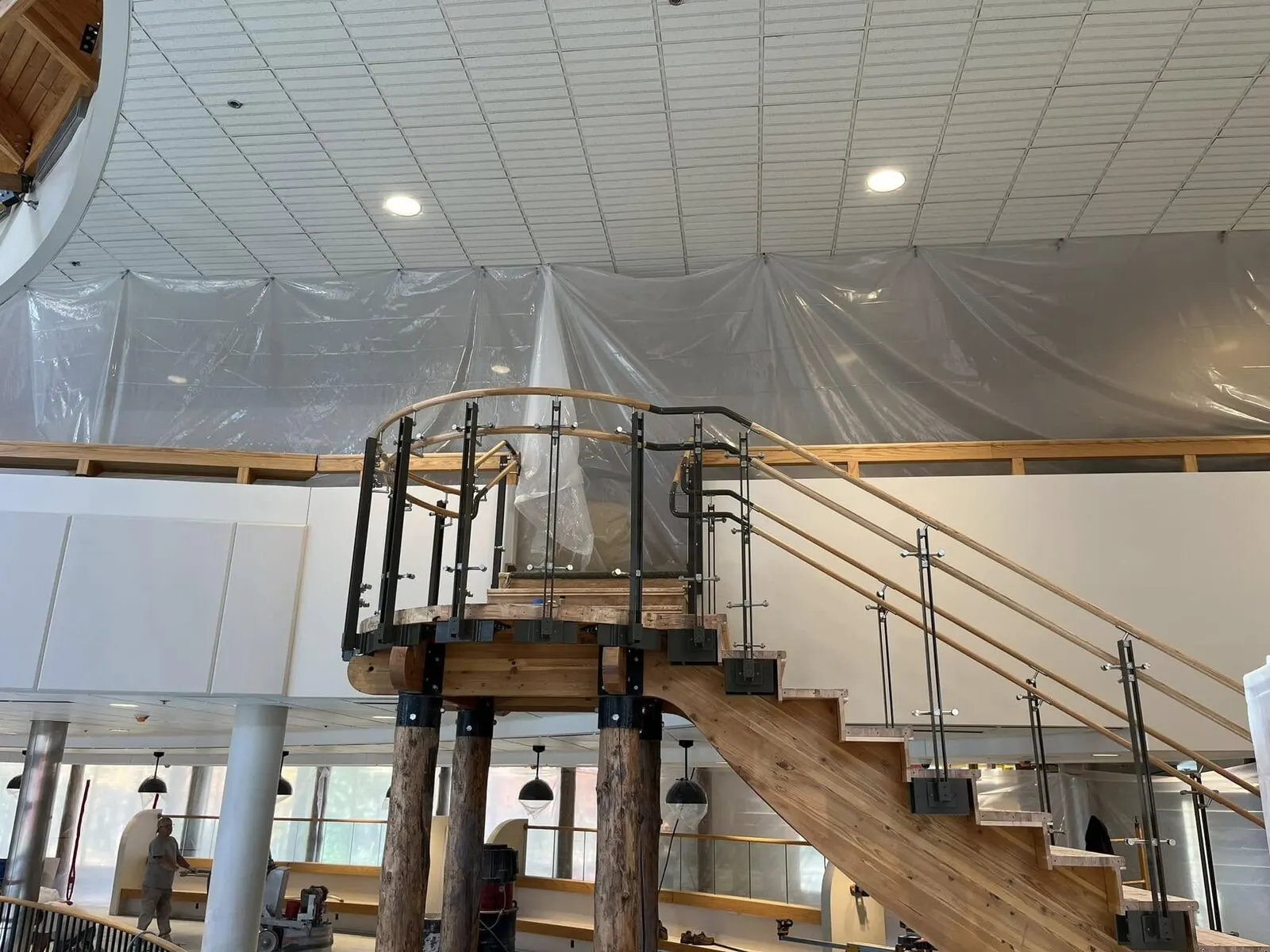

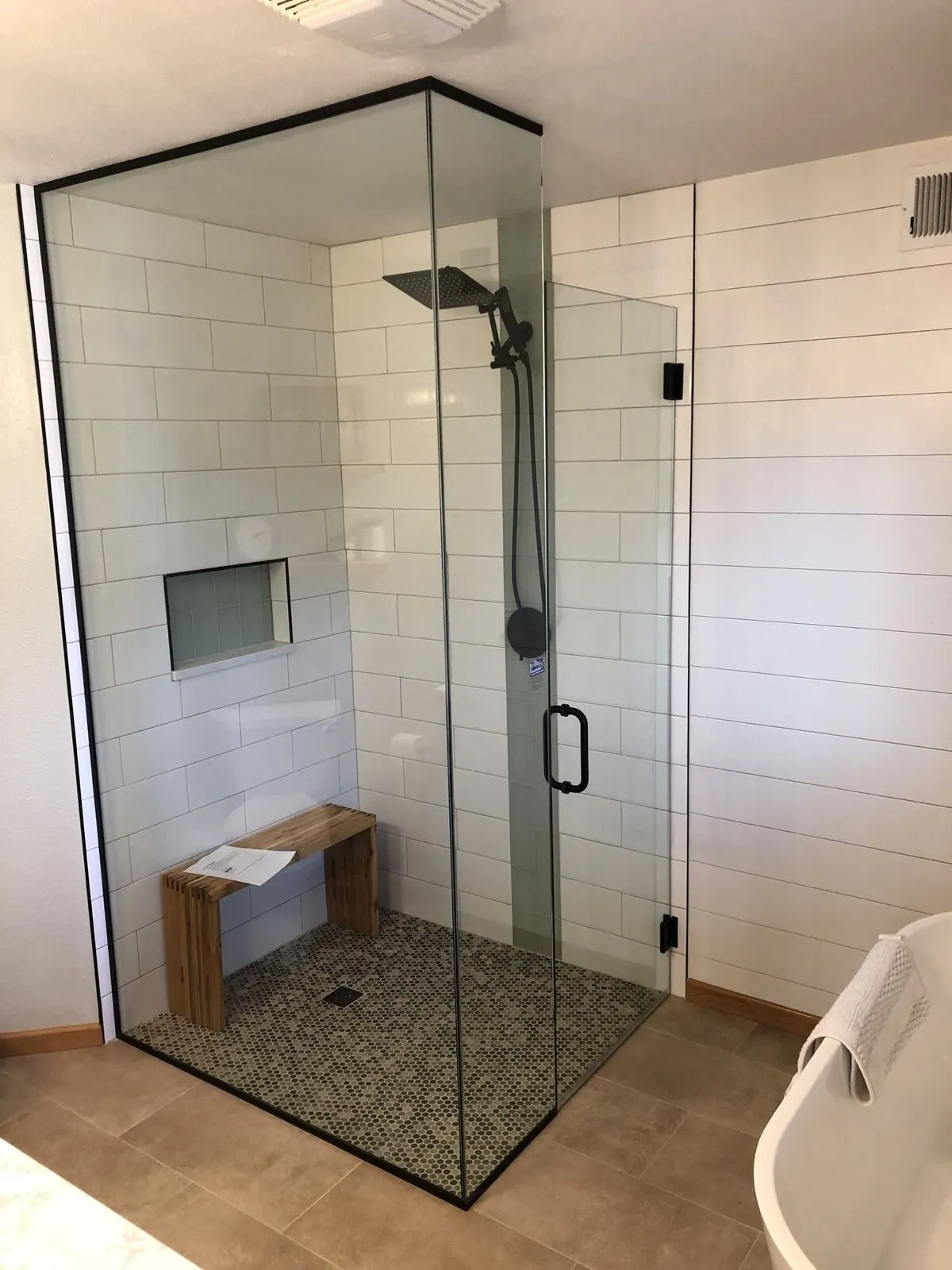
Every photo here is a real Superior Glass job, from the company’s own project posts.
Frequently Asked Questions
As a general guide, 1/4 inch works for a cover laid over a solid table. A top that stands on its own on a base or pedestal usually needs 3/8 or 1/2 inch, more for larger sizes and longer overhangs. We’ll recommend a thickness for your table.
Building code safety-glazing rules cover glass in doors, windows, and showers, not furniture. For a table top the choice is yours, but tempered is the safer choice for freestanding tops, outdoor tables, and homes with kids.
Yes, as long as it’s done before tempering. Tell us the size and location of every hole and notch when you order, because tempered glass can’t be drilled afterward.
Tape paper or thin cardboard to the tabletop, trace the edge with a pencil, cut it out, and check the fit. Mark which side is up and note any posts or notches. Bring it to the shop or we’ll come measure.
Usually. Bring the old glass or its measurements, or the table if it’s small. We’ll match the size, thickness, and edge.
Yes, with tempered glass. It handles temperature swings and knocks far better than annealed glass. Store or cover the table for winter so snow and ice don’t sit on it, and check the base is level so the glass is evenly supported.
Yes. Shelves and cabinet glass are cut and edged the same way. See custom glass for everything we make.
Get A Glass Top Made For Your Table
Call (715) 685-0500 or send the form with the size and shape. We’ll help with thickness and edges and put the price in writing.