


Glass That Lives Through A School Year
School glass takes more abuse than almost any other building’s. Backpacks swing into sidelites, kids push doors with both hands and a running start, and a gym bag or a thrown ball finds the one pane nobody thought about. The building code treats a lot of that glass as being in a hazardous location, and it is right to.
We plan, fabricate, and install safety glazing, entrance doors, and vestibules for school buildings, and we plan the work around the school calendar with your facilities team. Most districts want glass work done over the summer or during breaks, and we talk through what fits before the quote is final.
What this page does not cover is security glazing. Ballistic and forced-entry ratings are specialty products, and decisions about them belong to your district, your architect, and your security consultant.
- Tempered and laminated safety glazing
- Replacing older wired glass in doors and sidelites
- Heavy-use aluminum entrance doors and hardware
- Entry vestibules
- Automatic doors, AAADM-certified crew

The Places Schools Need Safety Glass
Doors And Sidelites
Glass in doors, and glass within 24 inches of a door’s edge with its bottom edge less than 60 inches above the floor, is a hazardous location under the International Building Code and must be safety glazing. In a school, that covers classroom door vision lites, office fronts, and every sidelite at the main entrance.
Tempered Or Laminated
Tempered glass is about four times as strong as ordinary glass of the same thickness and breaks into small, relatively blunt pieces. Laminated glass bonds two lites to a plastic interlayer, so when it breaks the pieces stay in the frame. Both can qualify as safety glazing, and each suits different openings.
Entrances Built For Hundreds Of Kids
Wide-stile aluminum doors, continuous hinges, heavy-duty closers, and sturdy pulls outlast lighter storefront hardware in a building that empties out all at once. See our storefront and entrance page for framing options.
Vestibules For Weather
A glass vestibule keeps the cold at the entrance on a below-zero morning and still lets daylight into the front hall. How entry is controlled is a design decision for your district and architect. We build the glass and doors to their drawings.
Stairs, Railings, And Low Glass
Glass in guards and railings, glass near stair landings, and large panes close to the floor all fall under the safety glazing rules. Current IBC editions call for laminated glass in glass guards. More on glass railings.
Services Schools Use Most
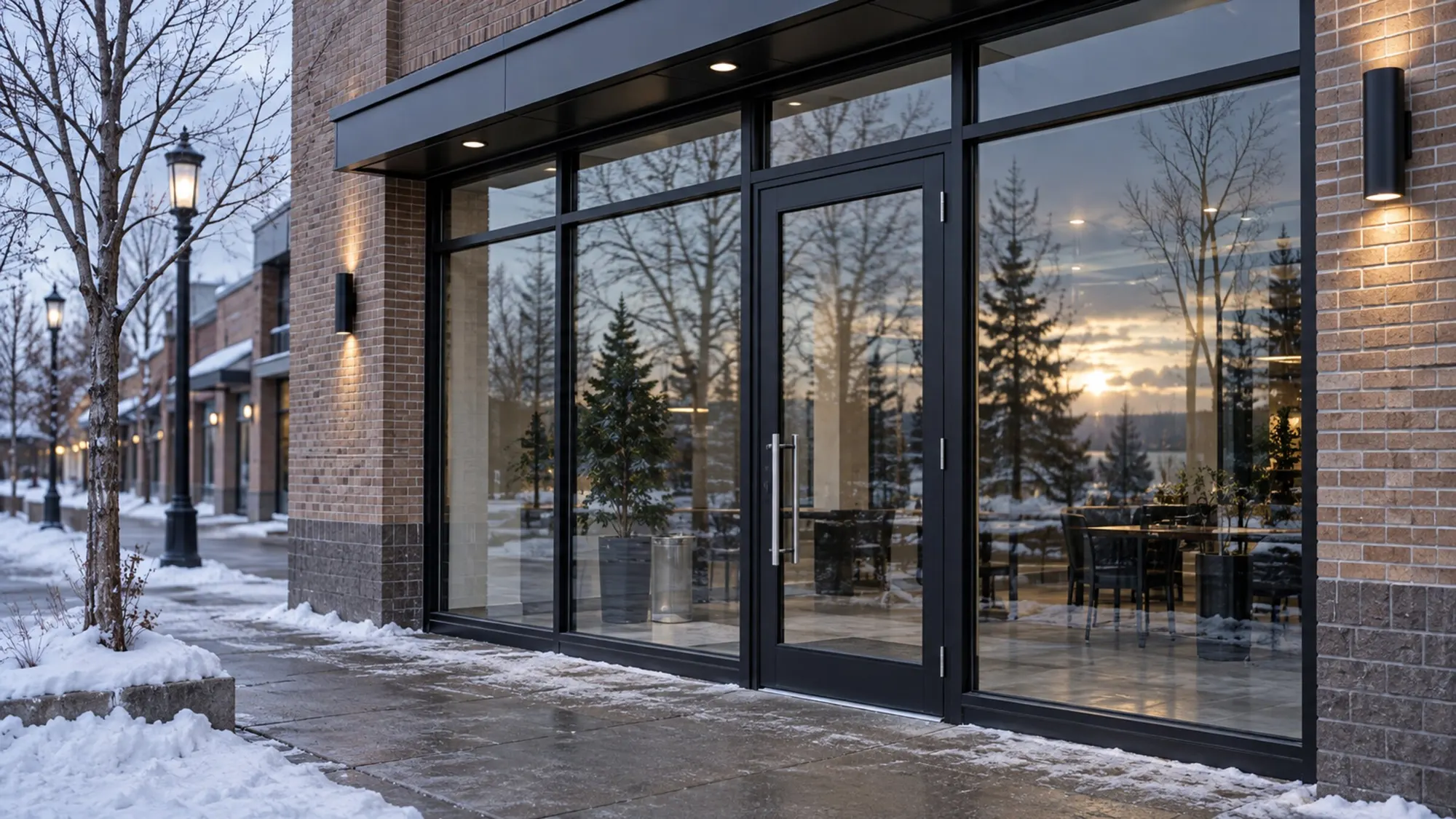
Storefronts & Entrances
Aluminum storefront framing, entrance doors, and safety glass built for Northland winters.
Learn More →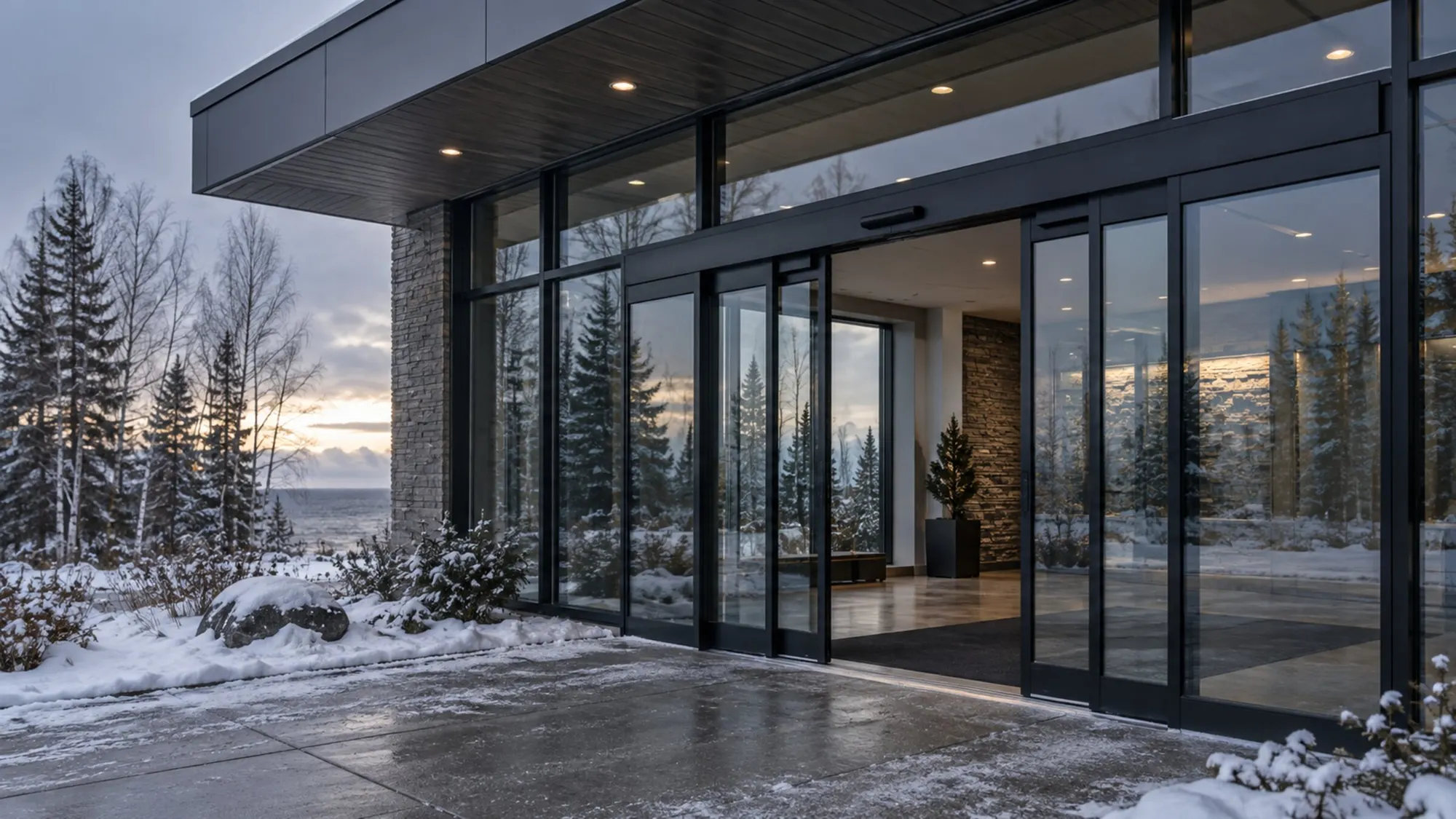
Automatic Doors
Automatic sliding and swinging doors and power-assist operators, AAADM certified crew.
Learn More →Commercial Glass Repair
Broken storefront lites, failed insulated units, door glass, and door hardware.
Learn More →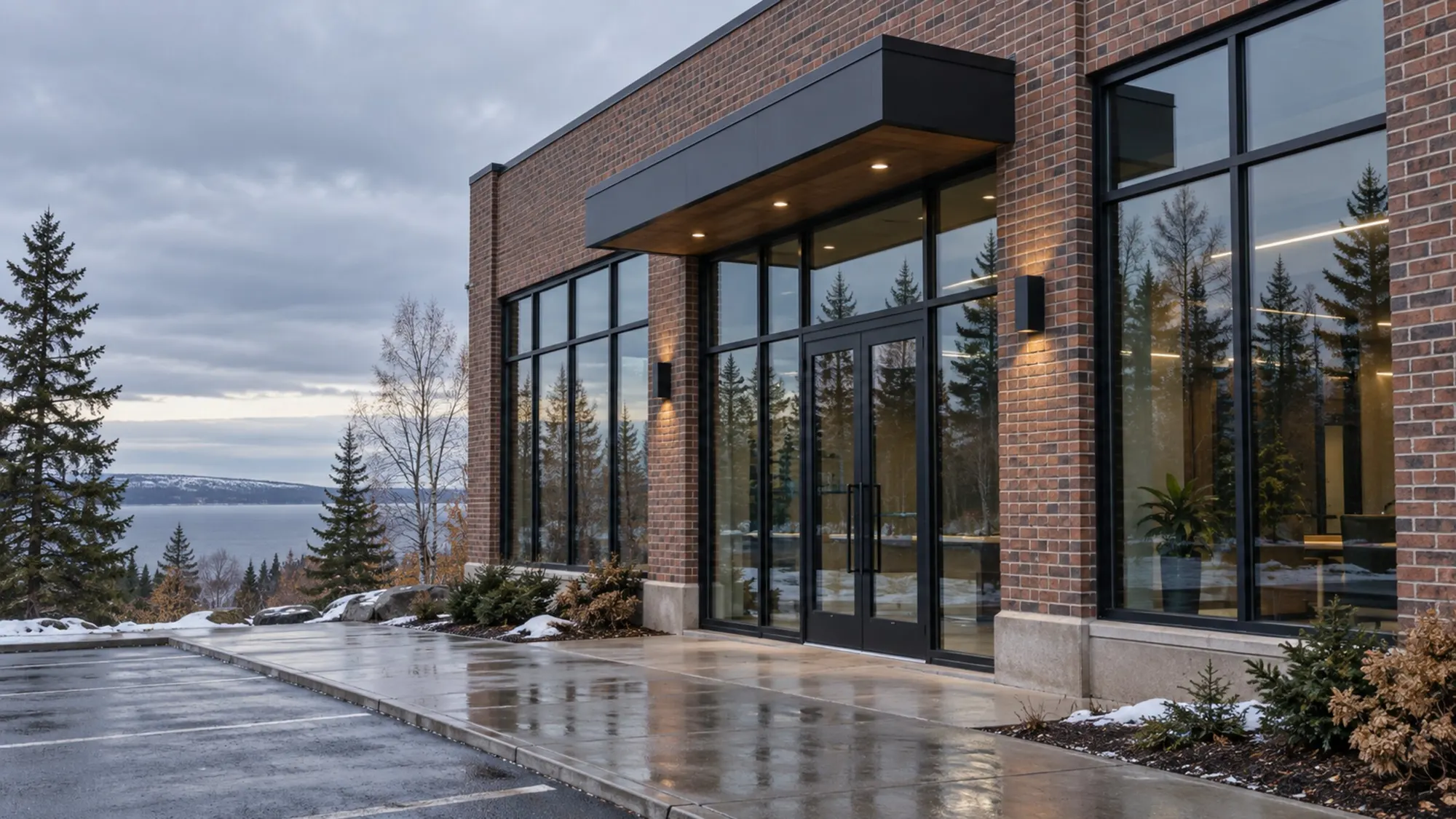
Commercial Windows
Durable, professional glazing for storefronts, offices, and commercial buildings.
Learn More →Recent Commercial Entrances
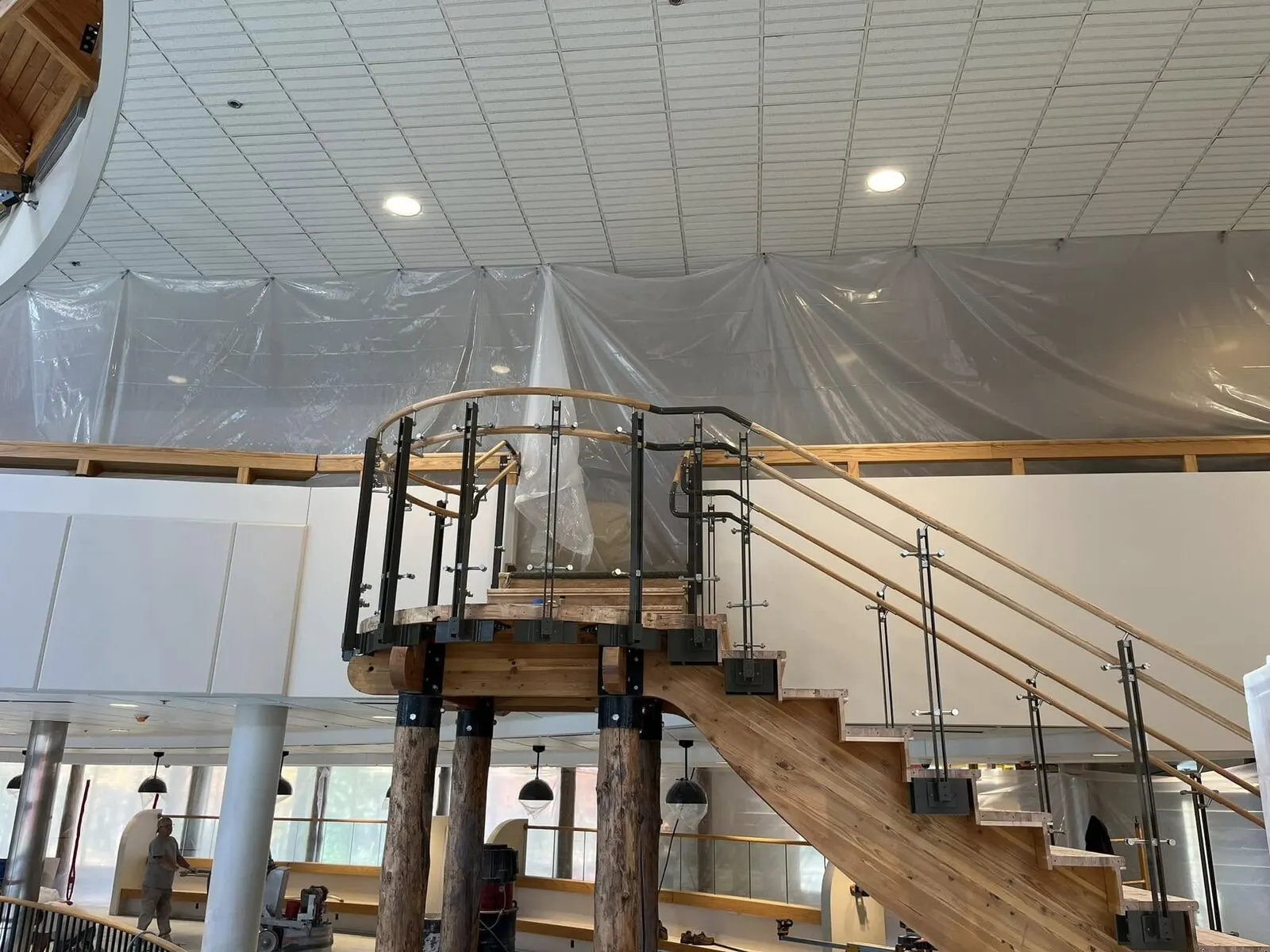

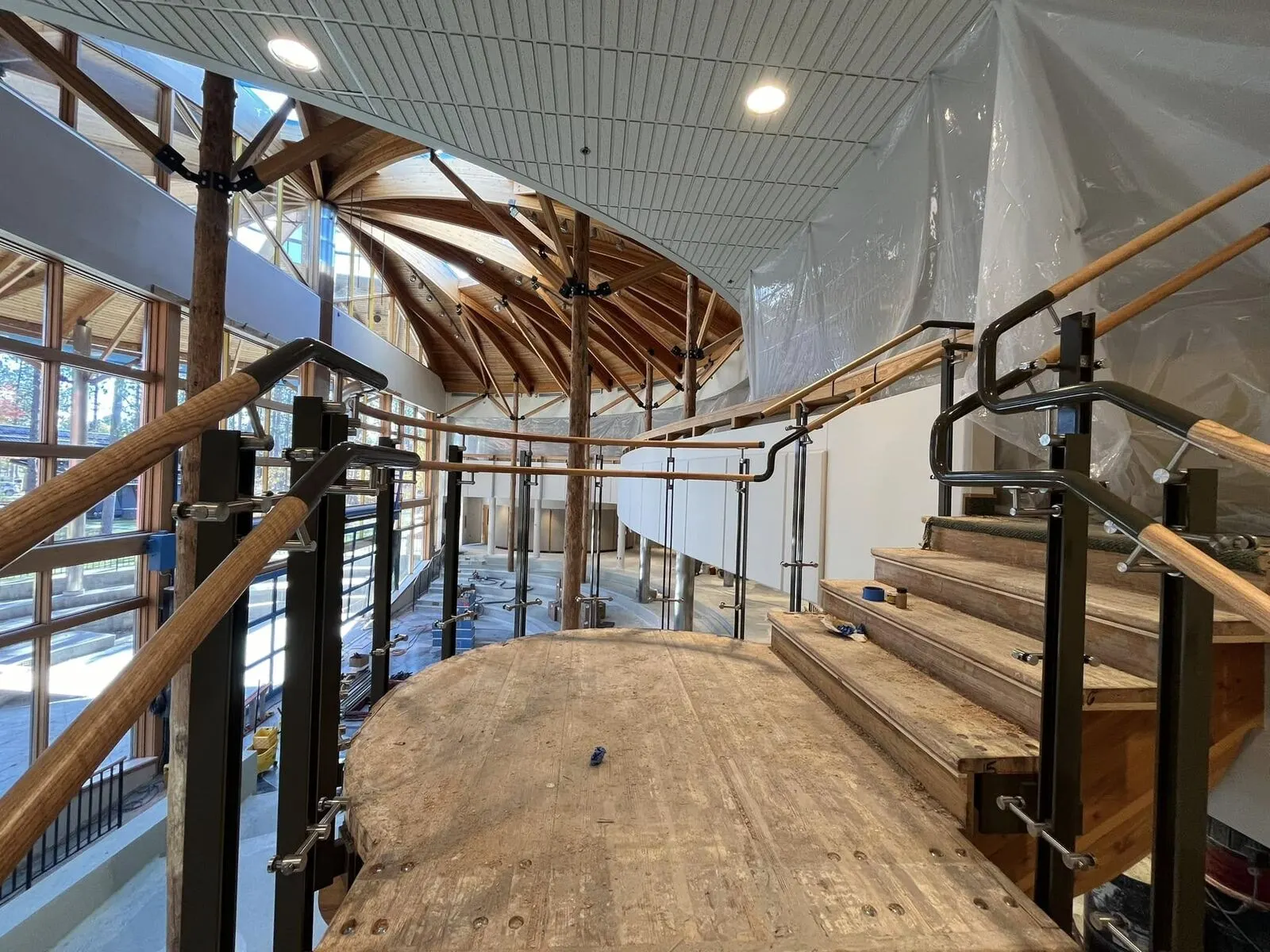
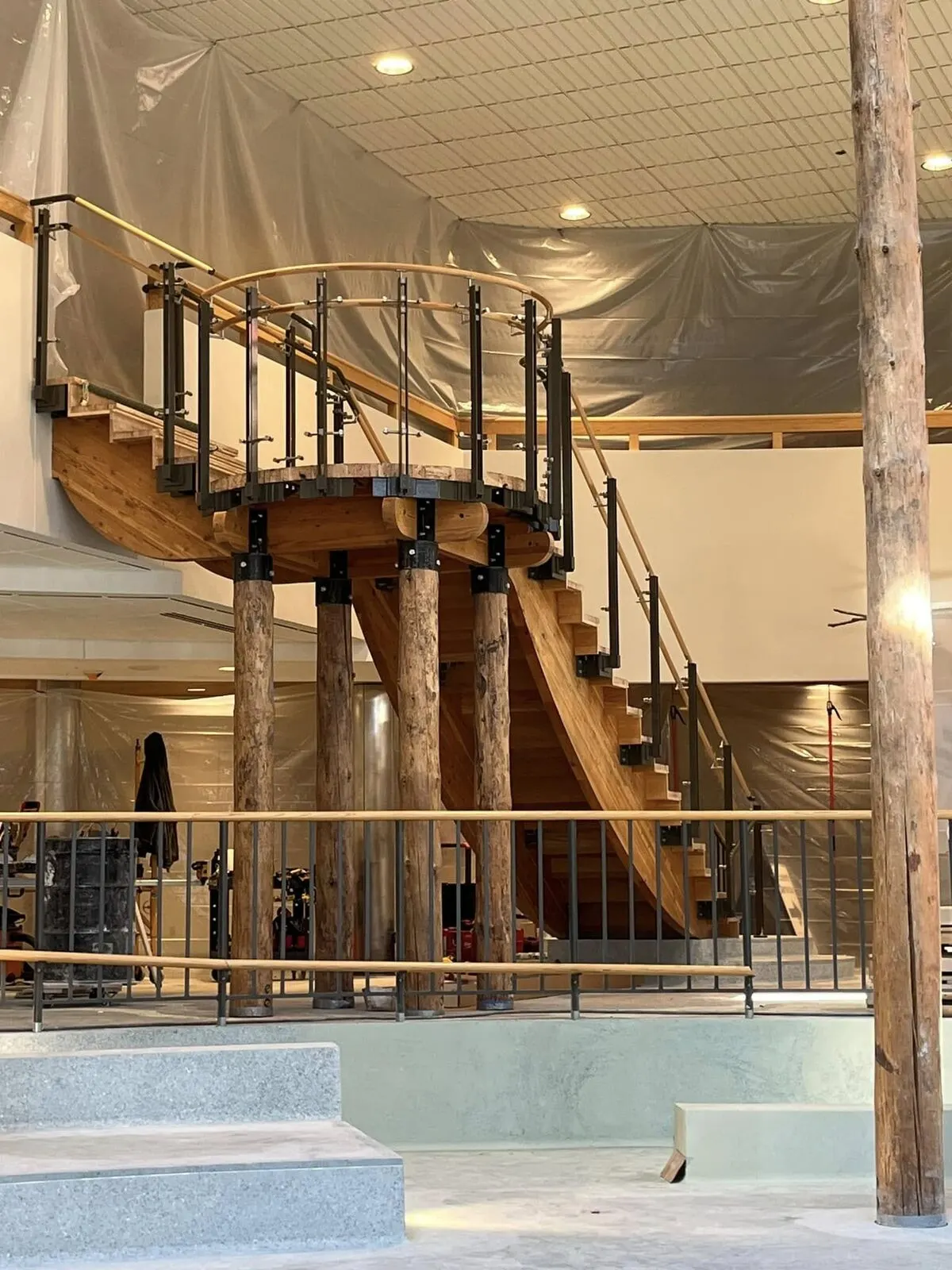
Every photo here is a real Superior Glass job, from the company’s own project posts.
Frequently Asked Questions
Both are impact tests for safety glazing. CPSC 16 CFR 1201 is the federal standard for glazing in doors, storm doors, sliding glass doors, and shower and tub enclosures, rated Category I or II. ANSI Z97.1 is a voluntary national standard, rated Class A or B. The building code refers to both, and certified safety glass carries a permanent mark in the corner showing what it passed.
Under IBC Section 2406, hazardous locations include glass in doors, glass near doors, large panes low to the floor (the test looks at pane size, sill height, and how close someone can walk), glass in guards and railings, glass in wet areas, and glass near stairs and landings. Your architect or building official confirms which openings apply on a given project.
Traditional wired glass was long allowed in fire-rated doors because of a code exemption, but it is not strong under impact and breaks into sharp edges held by the wire. Current codes require glazing in hazardous locations, including fire-rated openings, to meet the safety glazing impact tests. Replacing it means matching the fire rating as well as the impact rating, so it is a job to plan with your facilities team.
Some work, like replacing a single broken lite, can happen during the year. Bigger entrance and vestibule projects are usually easier over the summer or during breaks. We plan it with your facilities staff before the job is scheduled.
Yes. We install and service automatic doors with an AAADM certified crew. See automatic doors.
Planning Glass Work For Your School?
Tell us about the building and the openings you are worried about. We will walk it with your facilities team, plan around the calendar, and put the price in writing.